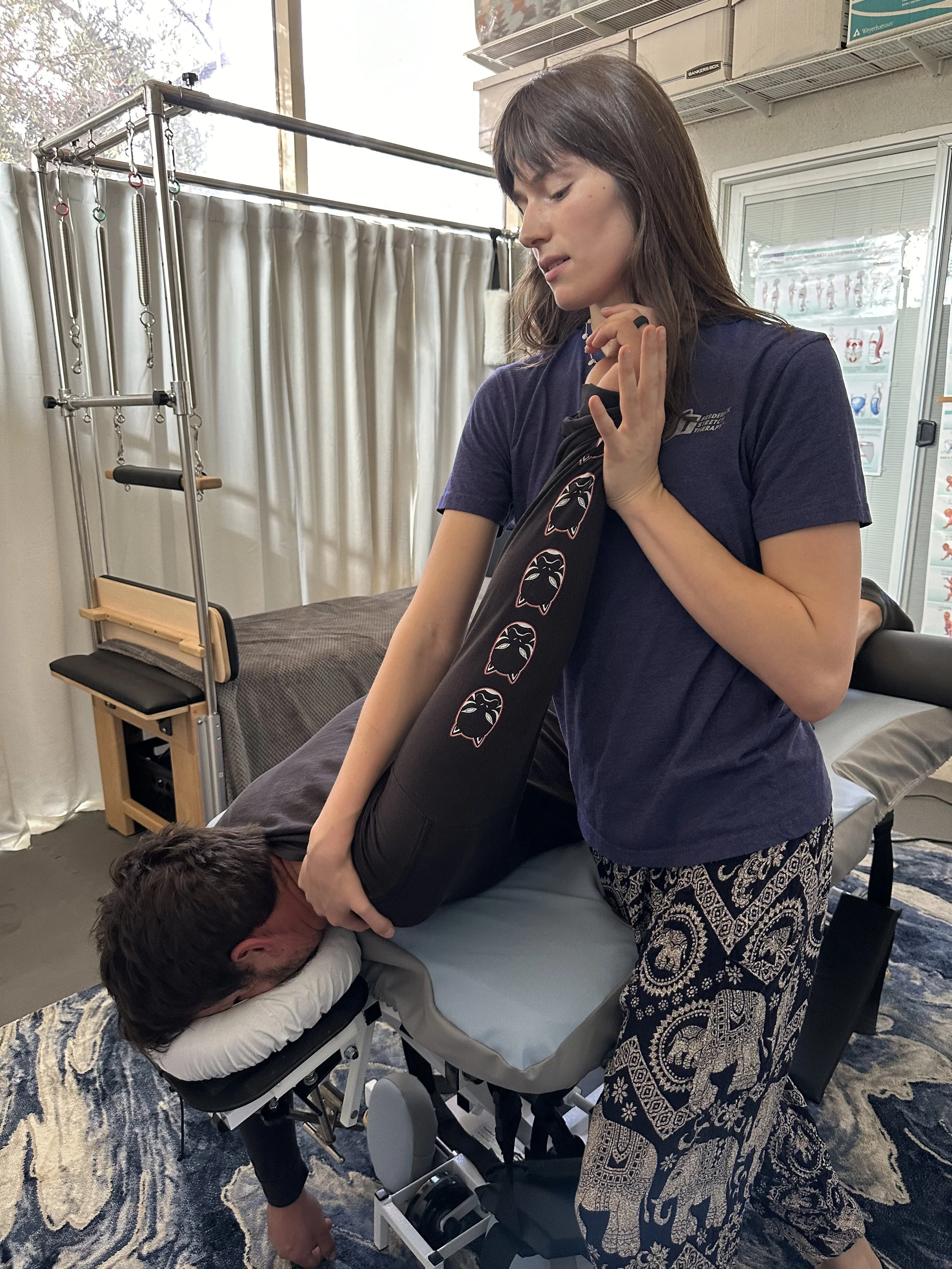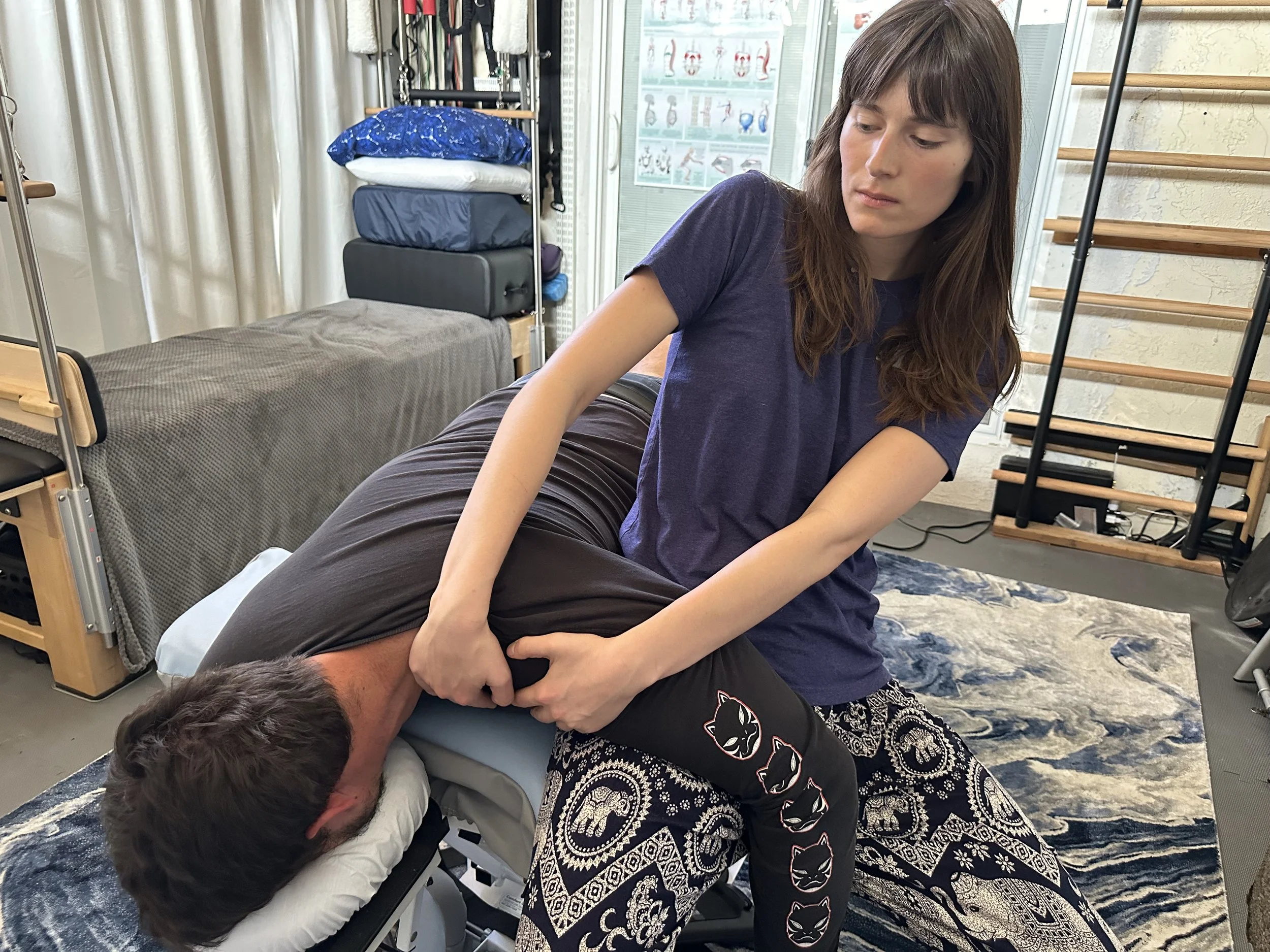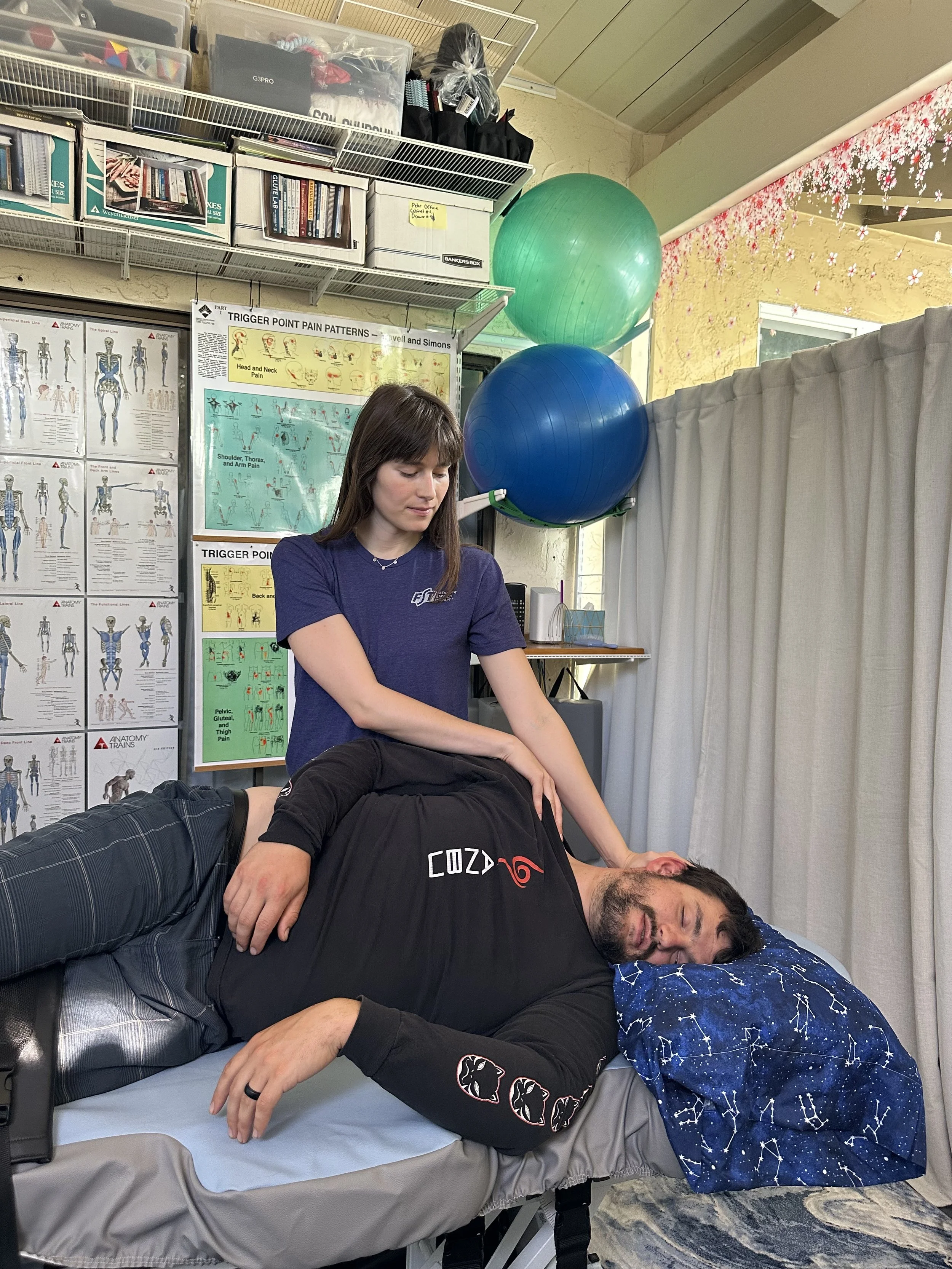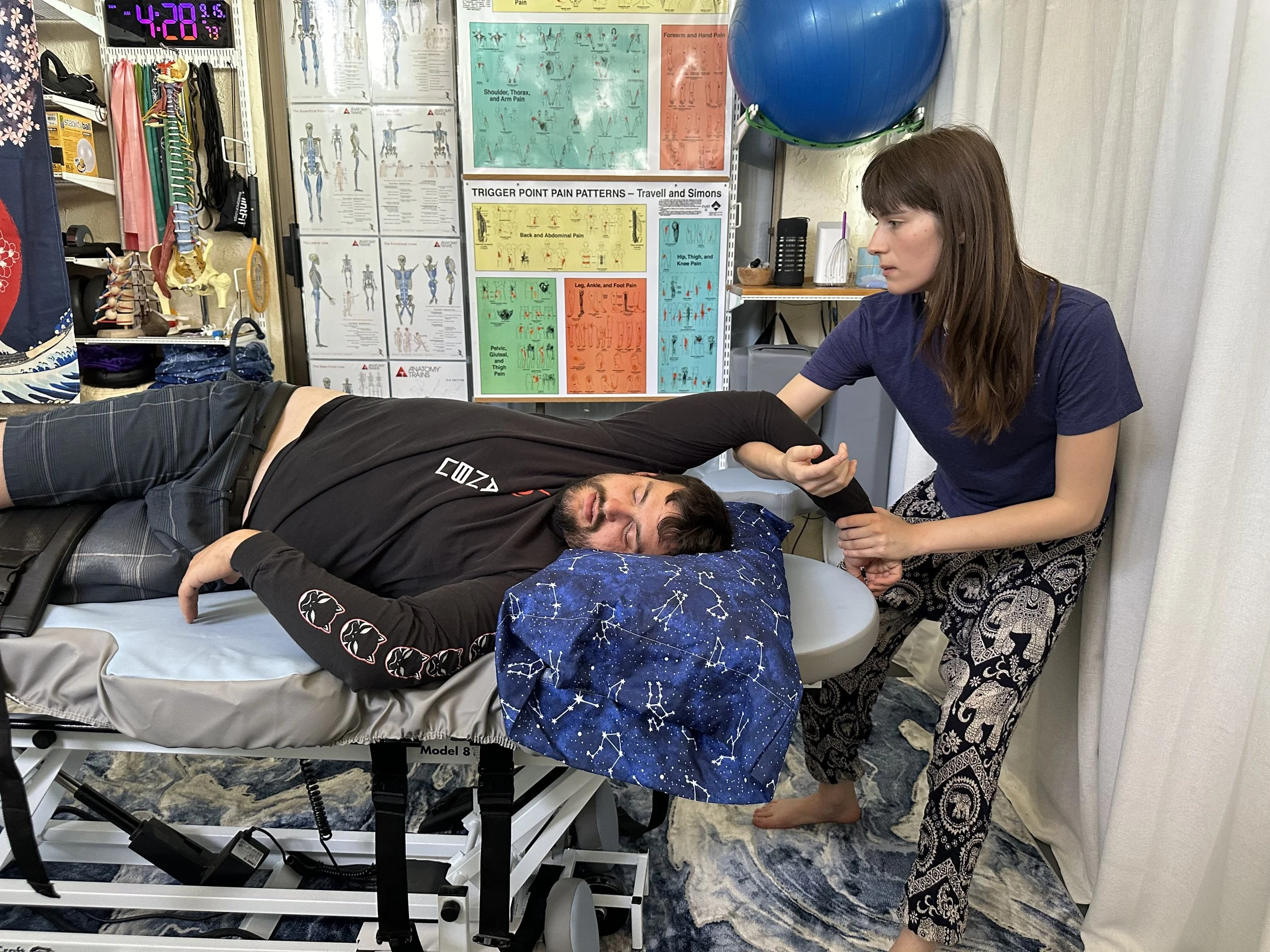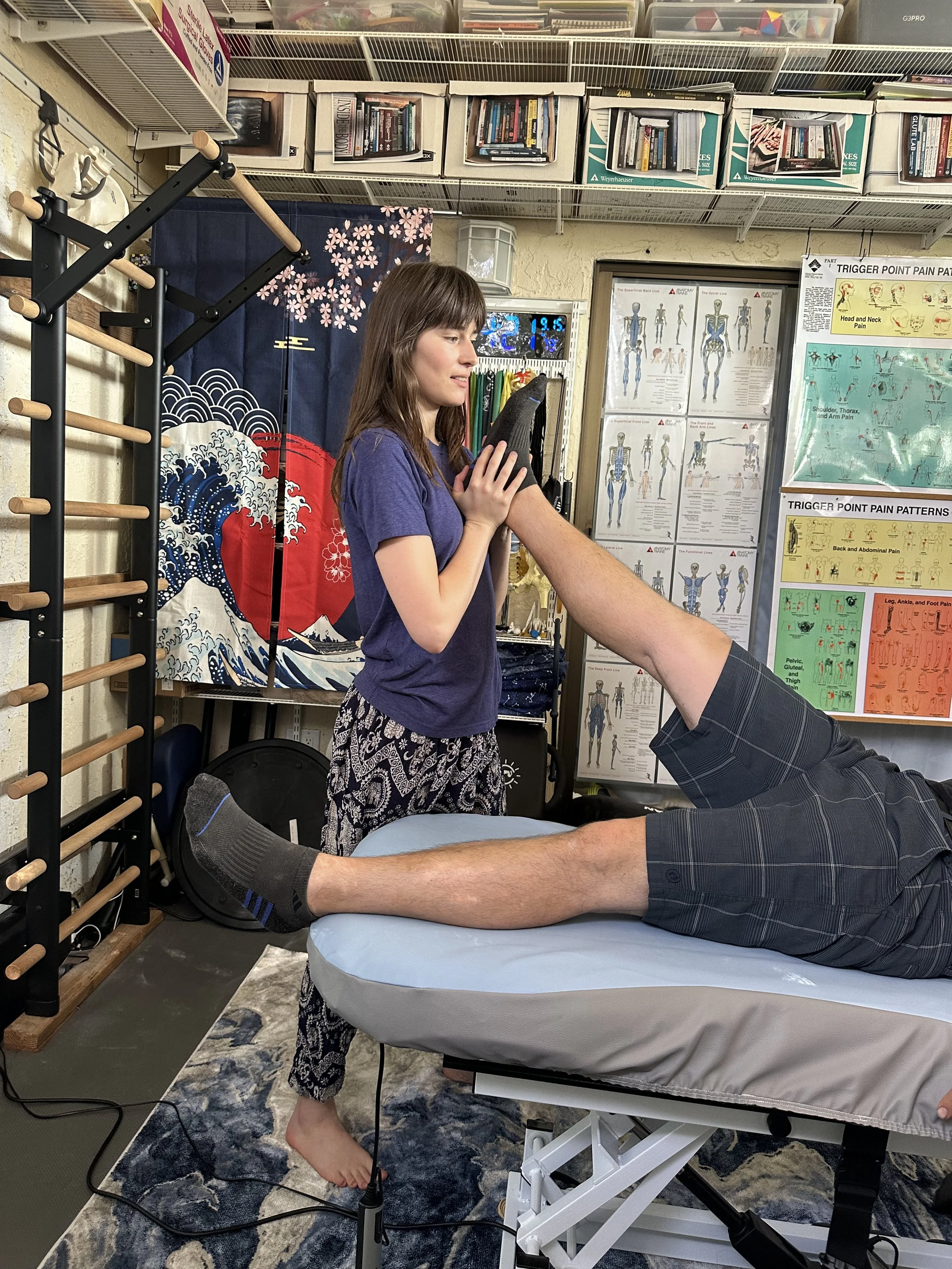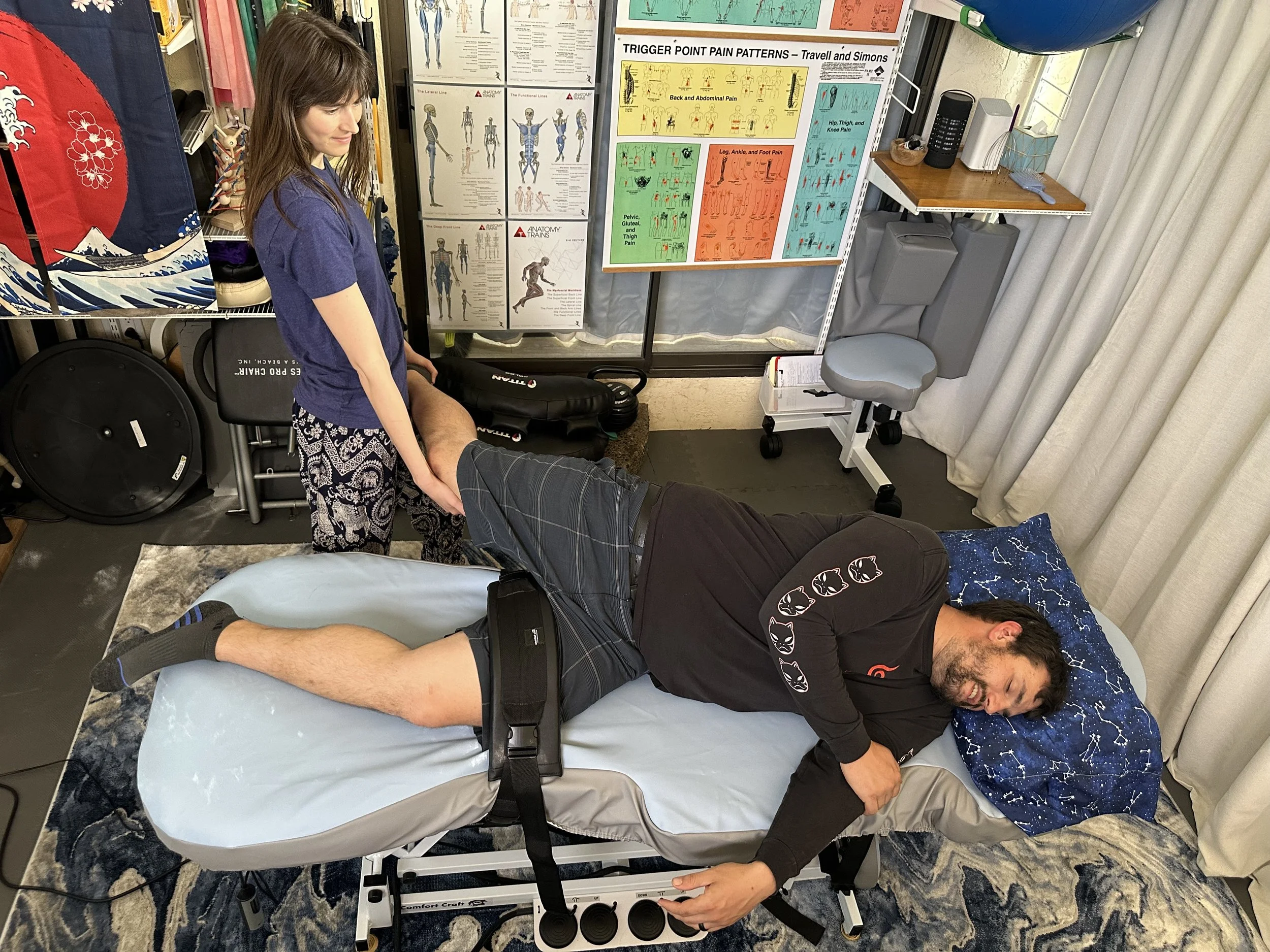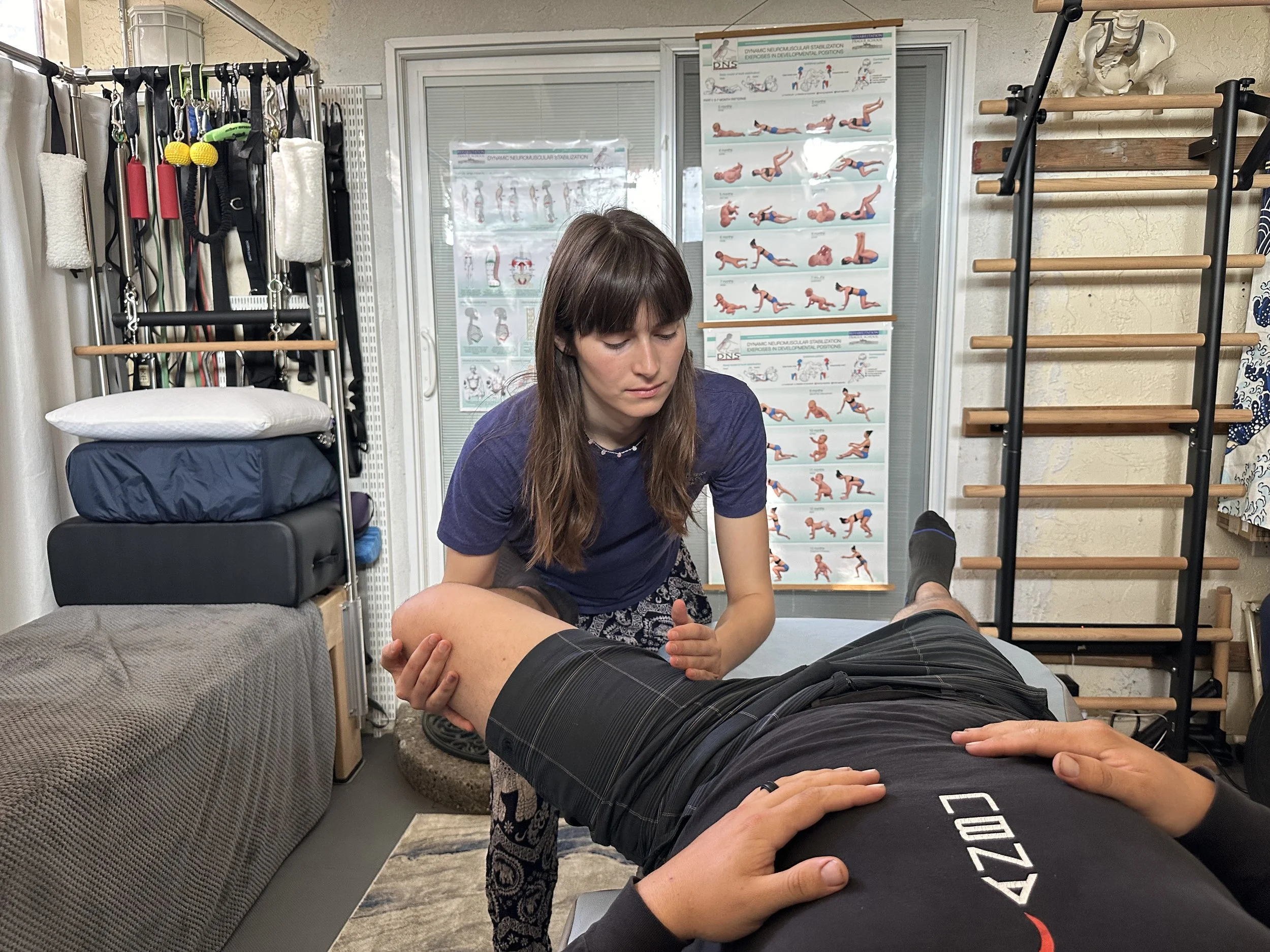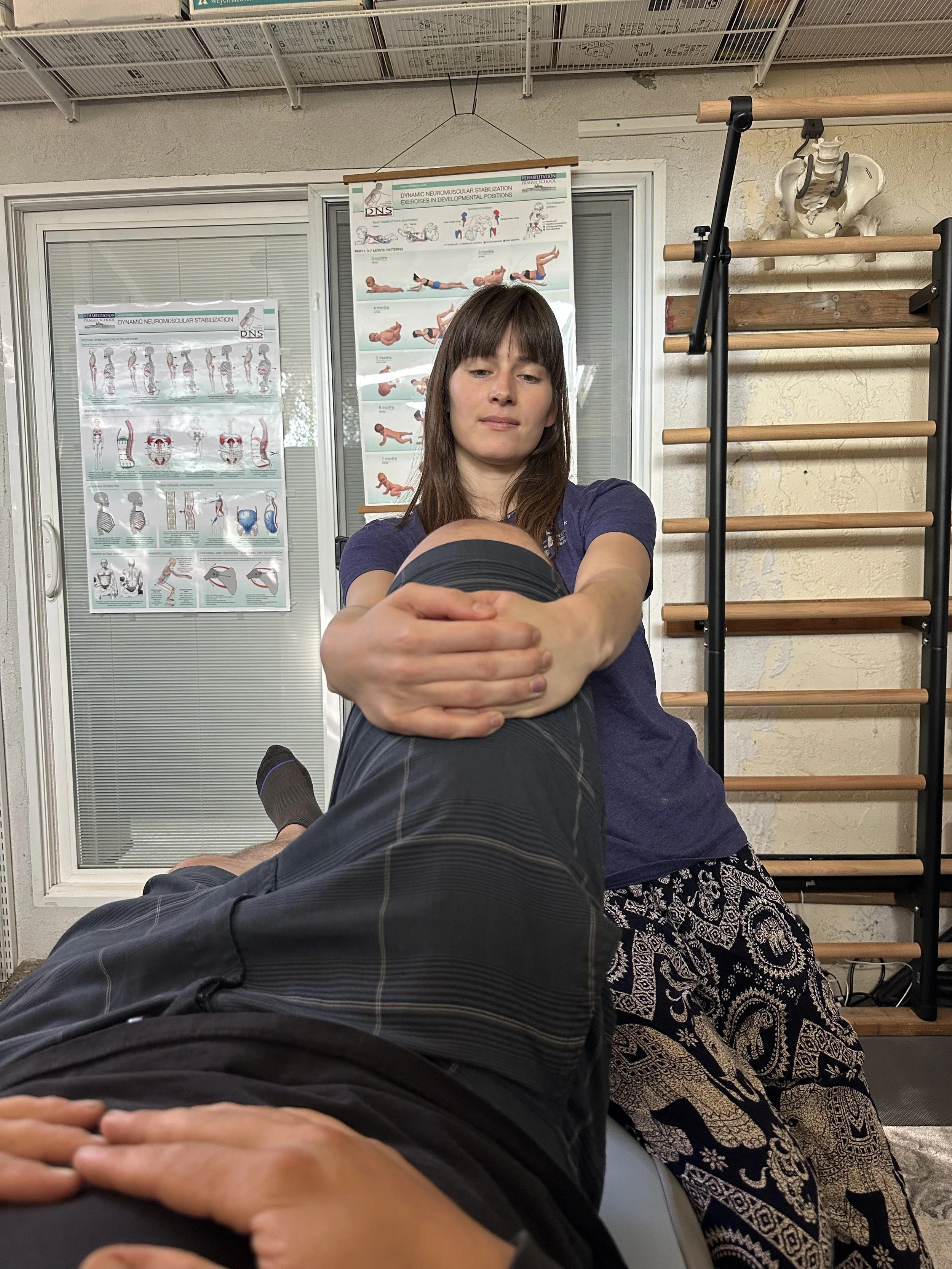
RE•gulate RE•lease RE•align RE•store
— RE•FASCIA — HOLISTIC FASCIAL RESTORATION
Relieve pain, release restrictions, & restore movement by rebalancing your body’s Fascial System.
OVERCOME YOUR LIMITATIONS.
RELIEVE PAIN & TENSION
Release fascial restrictions & soothe joint/muscle discomfort for lasting relief.
ENHANCE FLEXIBILITY & MOBILITY
Improve joint function & glide between tissues for movement freedom & ease in daily life.
FASTRACK RECOVERY & PREVENT INJURY
Boost circulation to reduce inflammation & support healing for recovery/injury prevention.
IMPROVE POSTURE & STABILITY
Rebalance tension patterns (bio-tensegrity) for better alignment with less compensations.
REDUCE STRESS & IMPROVE SLEEP
Rhythmic, oscillatory stretching calms the nervous system & relaxes your entire body.
BOOST PERFORMANCE & BODY AWARENESS
Develop internal awareness that improves coordination & trust within your own body.
HEAR CLIENT’S SUCCESS STORIES
MEET NELLE, YOUR FASCIA RESTORATION SPECIALIST.
Nelle Churchill is a Level 4 Fascia Stretch Therapy Specialist, the highest level of training available through the Stretch to Win Institute, and an integrative bodywork practitioner based in Penngrove, CA.
Her path into this work began through her own experience with chronic pain, hypermobility, and injury giving her a deep, firsthand understanding of how pain and physical limitations can impact quality of life.
Driven to heal and understand her body, Nelle spent over six years immersed in bodywork and movement-based therapies, exploring a wide range of approaches. Along the way, she discovered Fascia Stretch Therapy (FST), which became a turning point in both her personal healing and professional direction.
Since then, her perspective on fascia has expanded to encompass the entire body from head to toe, skin to bone, including the deeper connective relationships surrounding the organs. This broader understanding has shaped the way she works today.
Nelle now integrates Fascia Stretch Therapy (FST), Dermal Fascial Restoration (DFR), holistic movement, and nervous system-based approaches to support the body at multiple levels helping clients release restrictions, restore movement, and create lasting change.
Her approach bridges hands-on therapy with breath and movement education, helping clients not only feel better but also develop a deeper understanding and connection to their bodies for lasting results.
She practices full-time alongside her mother, Robin Churchill, a bodyworker and nutrition educator with over 50 years of experience. Together, they bring a unique, generational perspective to holistic care.
FST FAQs
-
FST is suitable for people of all ages, lifestyles, and body types.
People with chronic or complex pain situations looking for relief
Anyone looking to restore mobility, including post-injury, surgery, or joint-replacement
People on the hypermobility spectrum (HSD) including Ehlers-Danlos (hEDS)
People who sit a lot — office workers, long-distance commuters, & those living a more sedentary lifestyle
Seniors or individuals who struggle to be active on their own.
Athletes at any level including professional, fitness enthusiasts, & weekend warriors
Really anyone cleared by their physician for stretching and physical activity.
-
FST works differently from other bodywork or self-stretching methods by engaging not just muscles but the entire neuromyofascial system — including muscles, joints, bones, and nerves (even organs and vessels).
Key components of FST are the use of traction and compression to separate the tissues that are stuck together and stabilize the tissues that have too much movement. The goal is to rebalance the body’s bio-tensegrity (the equilibrium of tension and compression throughout the body) for better force distribution though the joints so no one area receives too much strain.
-
FST is designed to be pain-free. It is radically opposite from the "no pain, no gain" philosophy. So NO, FST does not and should not hurt.
Stretch awareness is a normal part of the session, however the overall intention is 100% avoidance of pain and joint pinching. Active communication between the practitioner and client is key to keeping the session safe and productive.
FST focuses on creating an environment where the nervous system can relax and feel safe enough to allow meaningful tension release in the muscles and fascia. After a session, you'll feel deeply relaxed with increased pliability, comfort, & ease in your joints and muscles.
-
After an FST session, people often experience a sense a deep relaxation with increased flexibility in their joints and muscles. Many people also enjoy a restful, deep sleep the night following their session.
It's not unusual for some people to experience some soreness the next day, which is a perfectly normal response post-session as inflammation and waste products leave the tissues and healing, new blood comes in. This usually subsides within a day or 2, leaving you feeling more relaxed and often with reduced pain and discomfort.
FAST AFTERCARE:
HYDRATION: Drink plenty of water with electrolytes throughout the day to help rehydrate your fascia and muscles.
NUTRITION: The body needs protein in order to rebuild, so make sure to eat some or take amino acids to help with the repair we have enabled the body to perform. Avoid sugars and processed foods that cause inflammation and soreness to linger longer than necessary.
ACTIVITY: While it's usually best to take it easy after your session, some moderate activity is fine if you prefer. Listen to your body, and don't push it if it is telling you it needs rest!
-
Please wear loose or stretchy clothing, similar to what you would wear for a workout or yoga class such as shorts, sweatpants, leggings, loose T-shirt, etc.
PEASE NO JEANS.
The session is performed fully clothed so no need to undress.
-
Clients will typically notice an immediate increase in mobility and a substantial reduction of pain within the first few FST sessions.
Be aware that everyone's starting place is different and some conditions may require treatments over time for complete resolution & healing.
-
Great Question!
The frequency/length of FST sessions depends on your specific needs/goals, the type of pain/challenges you're experiencing, & your personal exercise/mobility routines.
For acute pain or discomfort, Nelle typically recommend sessions 1-2 times per week. (See TRANSFORMATION or MAINTENANCE PLANS on PRICING page.)
Once you have achieved your goal/your pain subsides, periodic maintenance is suggested with the recommended frequency being something you discuss with Nelle.
As a rule, longer sessions closer together achieves results faster; however you will still progress even if you can only do sessions periodically.
Needs can be separated into 4 different categories, and below are the recommendations for each.
ACTIVE HEALING
This is the acute stage of healing after an injury or the starting point of addressing a long-term problem.
Longer sessions (60 minutes minumum. 90 minutes best) closer together (1x/ week minimum. 2x/week best) are recommendedat this stage for the most efficent results.
MAINTENANCE
A generally healthy person with minor body/joint problems will benefit from sessions on a maintenance schedule such as (60-90 minutes, 1x- 2x/month).
LONG-TERM MANAGEMENT
A person in this category is dealing with (A.) chronic, long-term issues or (B.) conditions like congenital scoliosis or certain types structural damage from injury/surgery that could make complete healing difficult to achieve.
For chronic conditions that require healing over a longer timeline, I recommend discussing with your FST provider for a personalized plan of care as to how often/how long it is recommeded to receive sessions.
ATHLETIC/SPORTS PREP
For the day of athletic/sports events, a (45 minute) FST session at a quicker pace amps up the sympathetic nervous system to prepare the body for athletic activity by improving reaction time, flexibility, & strength for optimal performance.
For correcting body imbalances that affect athletic performance, longer restorative sessions of (60 or 90 minutes) are the way to go.
-
Absolutely! As someone with hypermobility herself, Nelle benefits greatly from FST and receives it regularly.
Every individual with hypermobility is unique, so sessions are tailored to their specific needs. While hypermobile people don’t necessarily need to increase their range of motion, the intention with FST becomes improving joint stability, safe movement, and increasing proprioception.
Sessions are adjusted to reduce or eliminate traction, support joints, and address specific restrictions in joint capsules that prevent normal movement. With gentle, collaborative techniques and open communication, FST ensures safety and effectiveness.
If you experience post-session discomfort, share feedback with Nelle so adjustments can be made for your comfort and progress.
-
FST offers significant benefits for athletes beyond addressing pain.
By enhancing flexibility, FST helps prevent injuries commonly associated with sports and physical activities. It also effectively addresses postural imbalances, movement dysfunctions, improper muscle firing patterns, and neural dysfunctions—all of which can contribute to injury if left unaddressed.
In addition to improving circulation and reducing of inflammation, athletes will heal better and recover faster in between events and training so they are and can stay at the top of their game.
-
I understand life happens and emergencies do come up, and since your appointment time has been reserved especially for you I ask for at least 24 hours notice if you need to reschedule or cancel.
Cancellations within 24 hours will be charged 50% of the appointment.
No-shows will be charged full price.
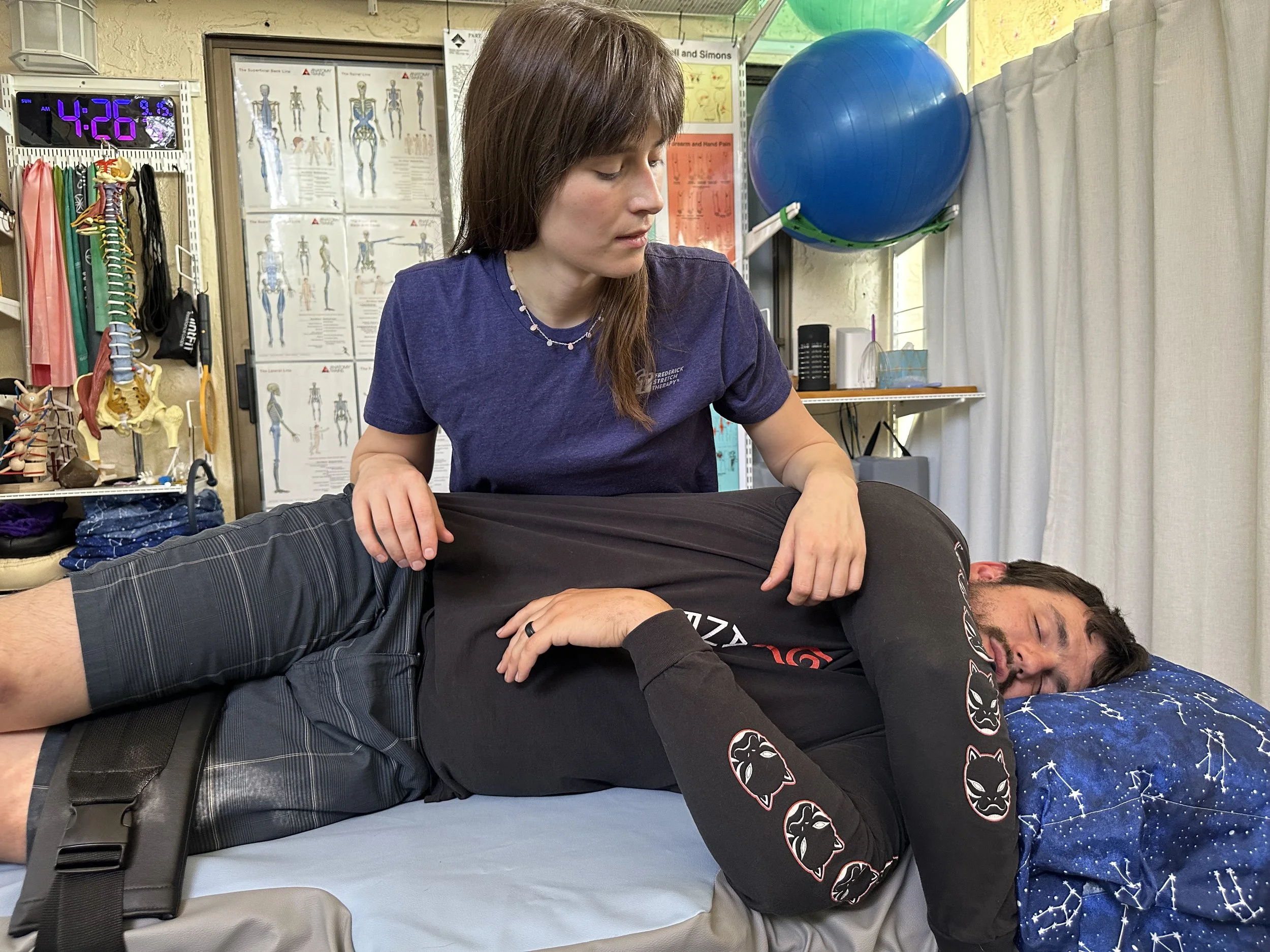
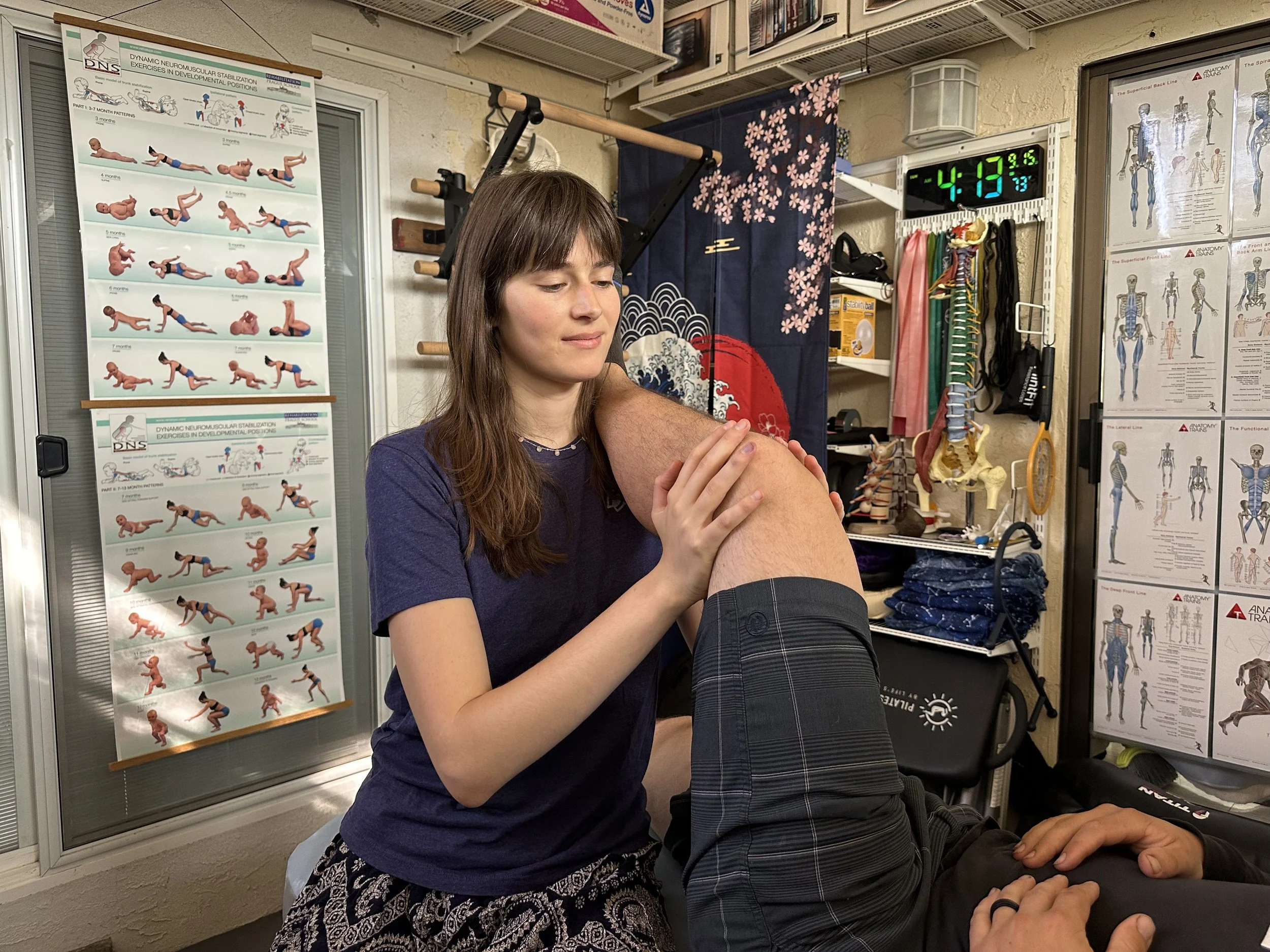
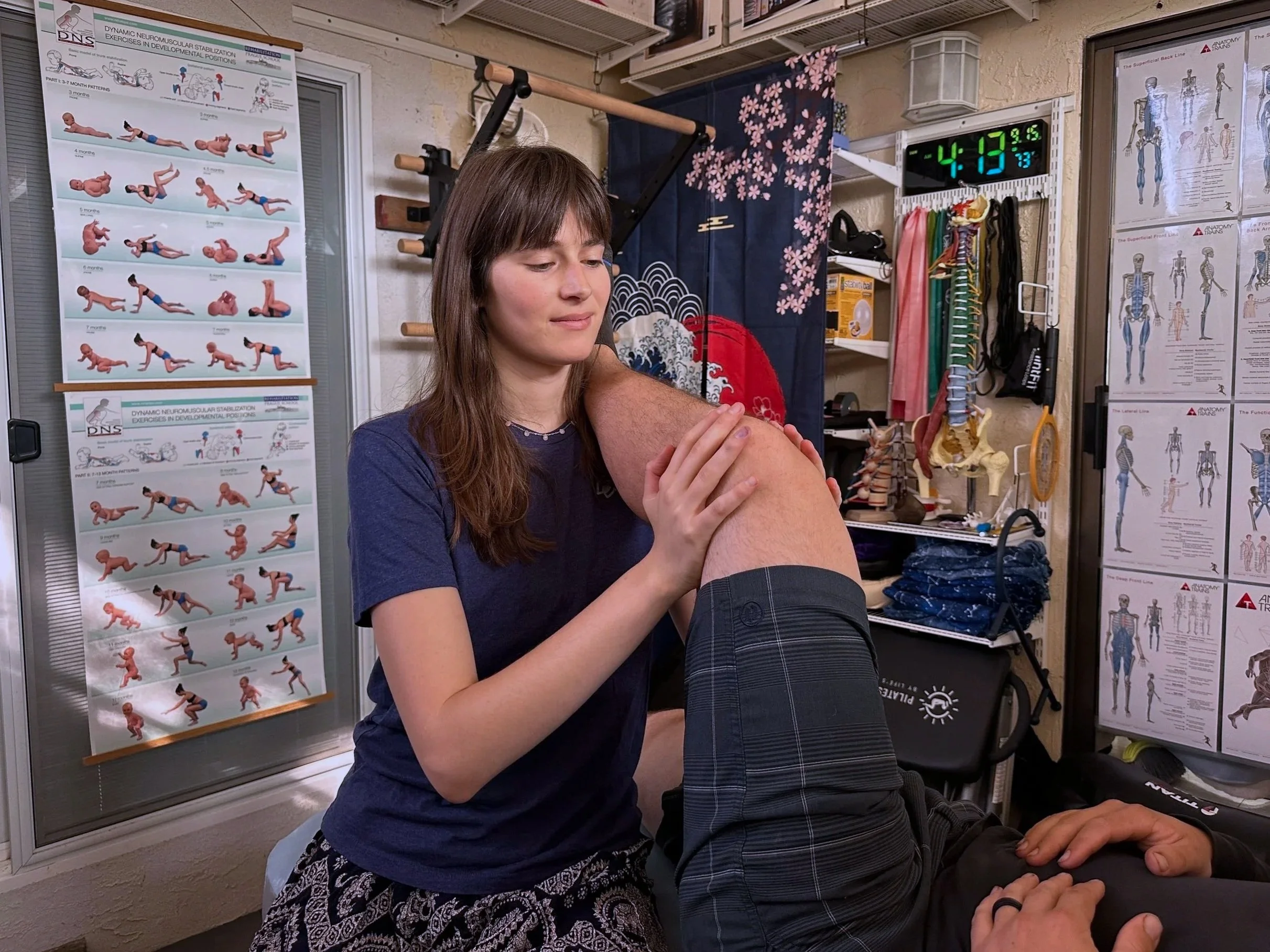
THERAPY IN ACTION